30/06/2026 in Car Stories
June 30, 2026
How McLaren Created the Perfect Driver's Car
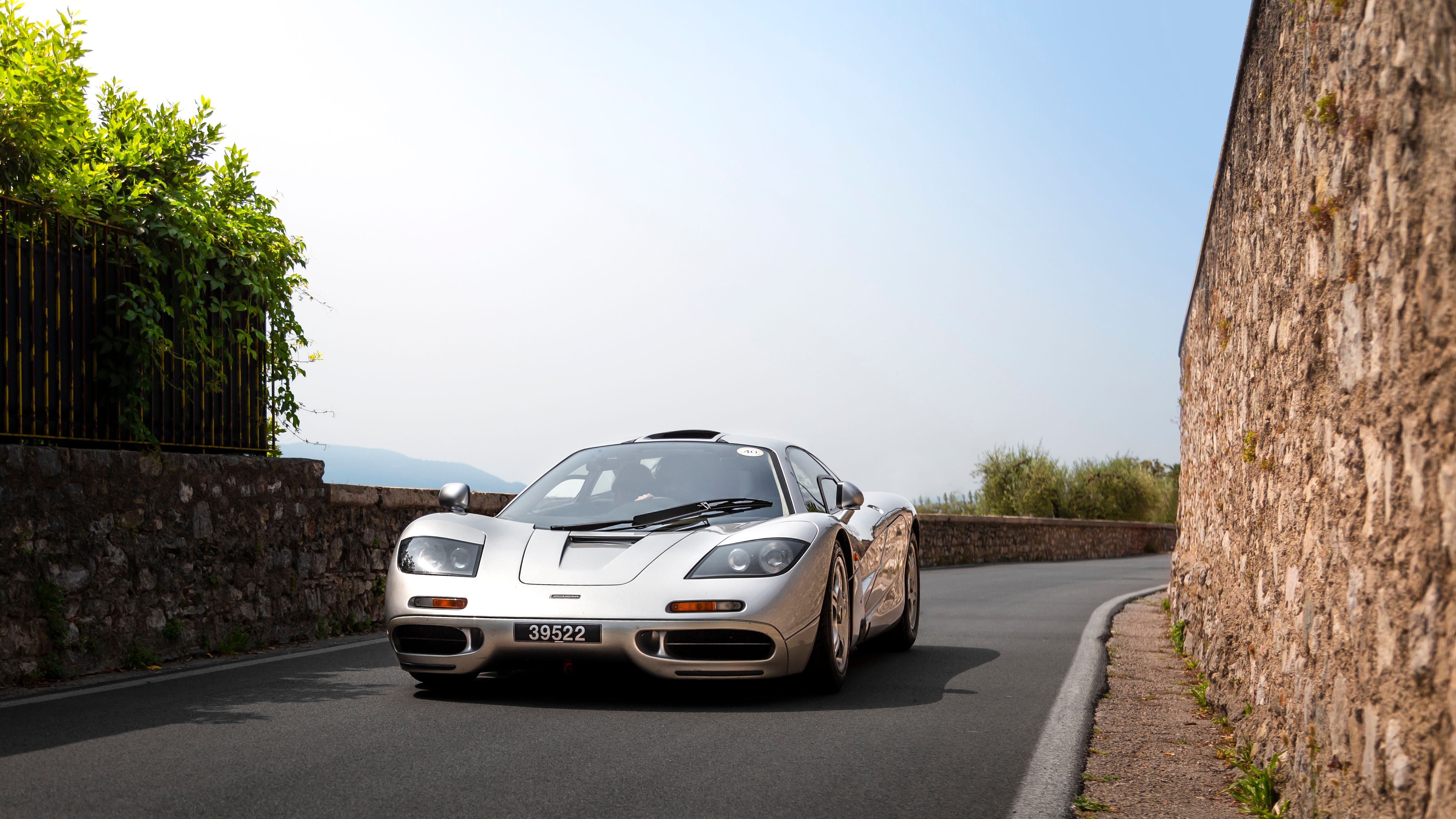
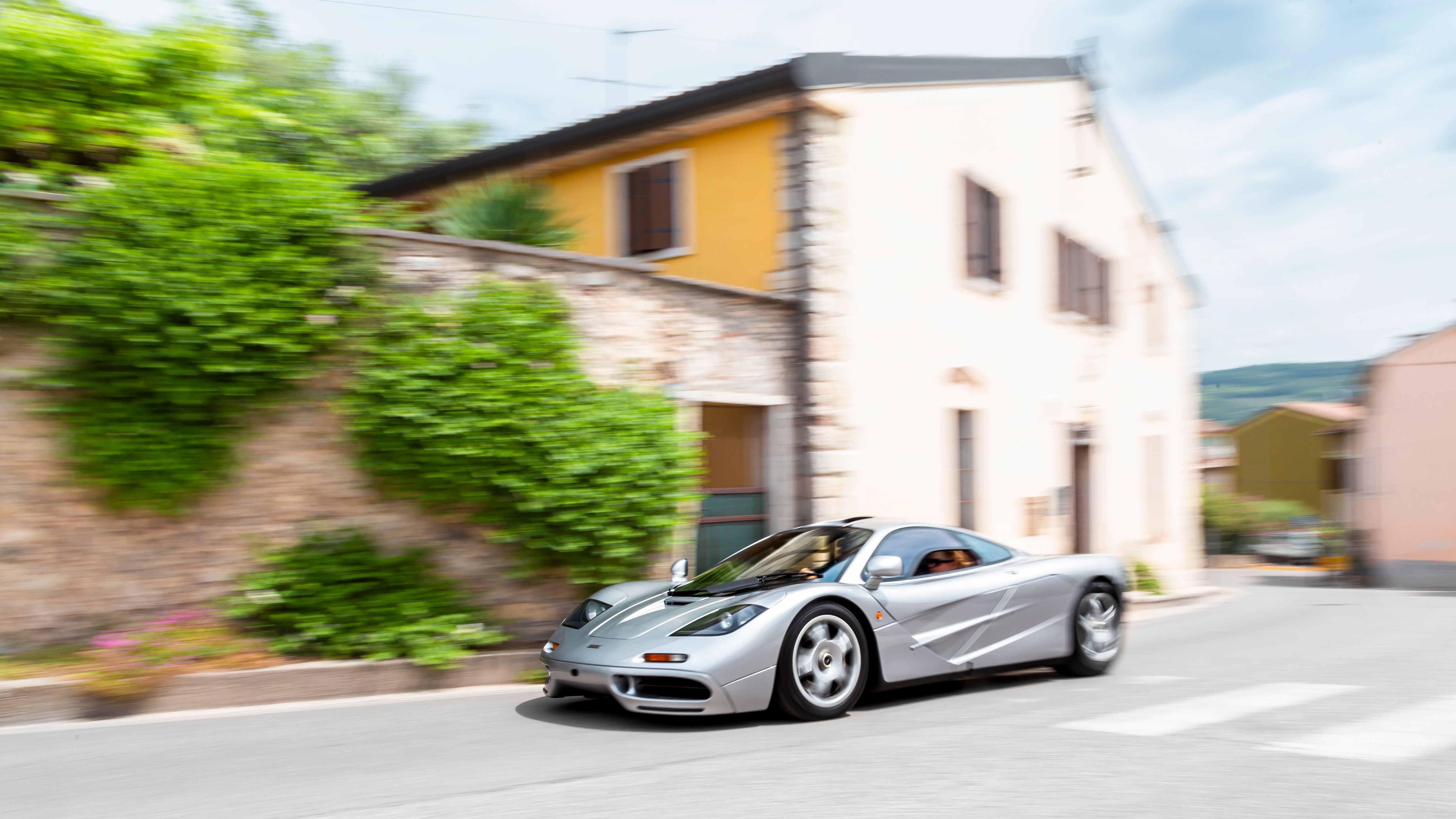
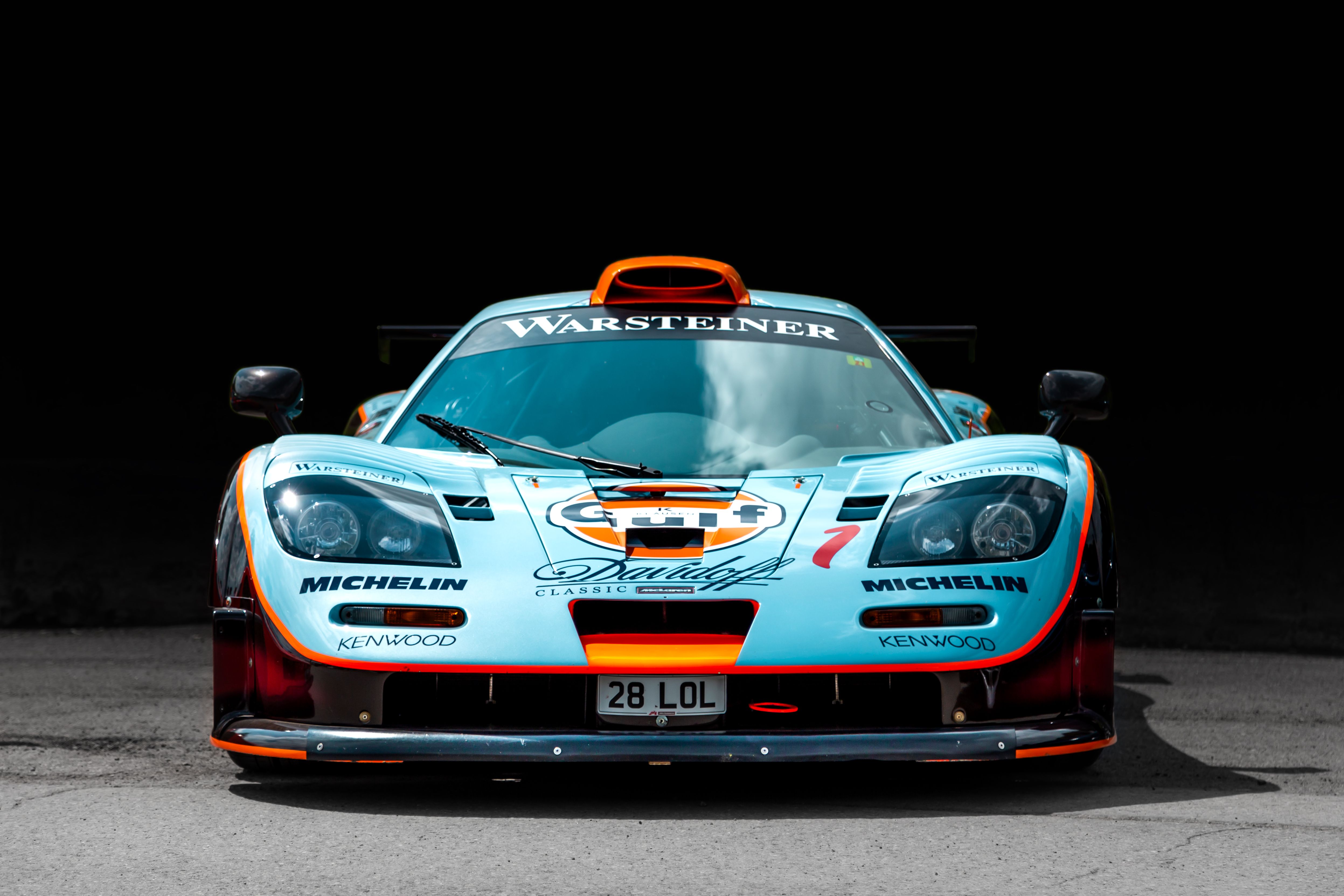
The McLaren F1 came from a company that had made its name on the track. Decades of racing built a reputation as a technical leader, the kind of team that solved problems other people said could not be solved. So when McLaren set out to build a road car, it was never going to be ordinary. It aimed to build the best car in the world, and most people who know cars will tell you the McLaren F1 did exactly that.
The Idea Behind the McLaren F1
The F1 started with one man's vision. Gordon Murray wanted a car that was perfect on engineering and perfect as a driver's car. That is why the driver sits in the middle, with two passenger seats set slightly back on either side. It puts you at the heart of the car, the way a single seat race car does.
No Driver Aids, On Purpose
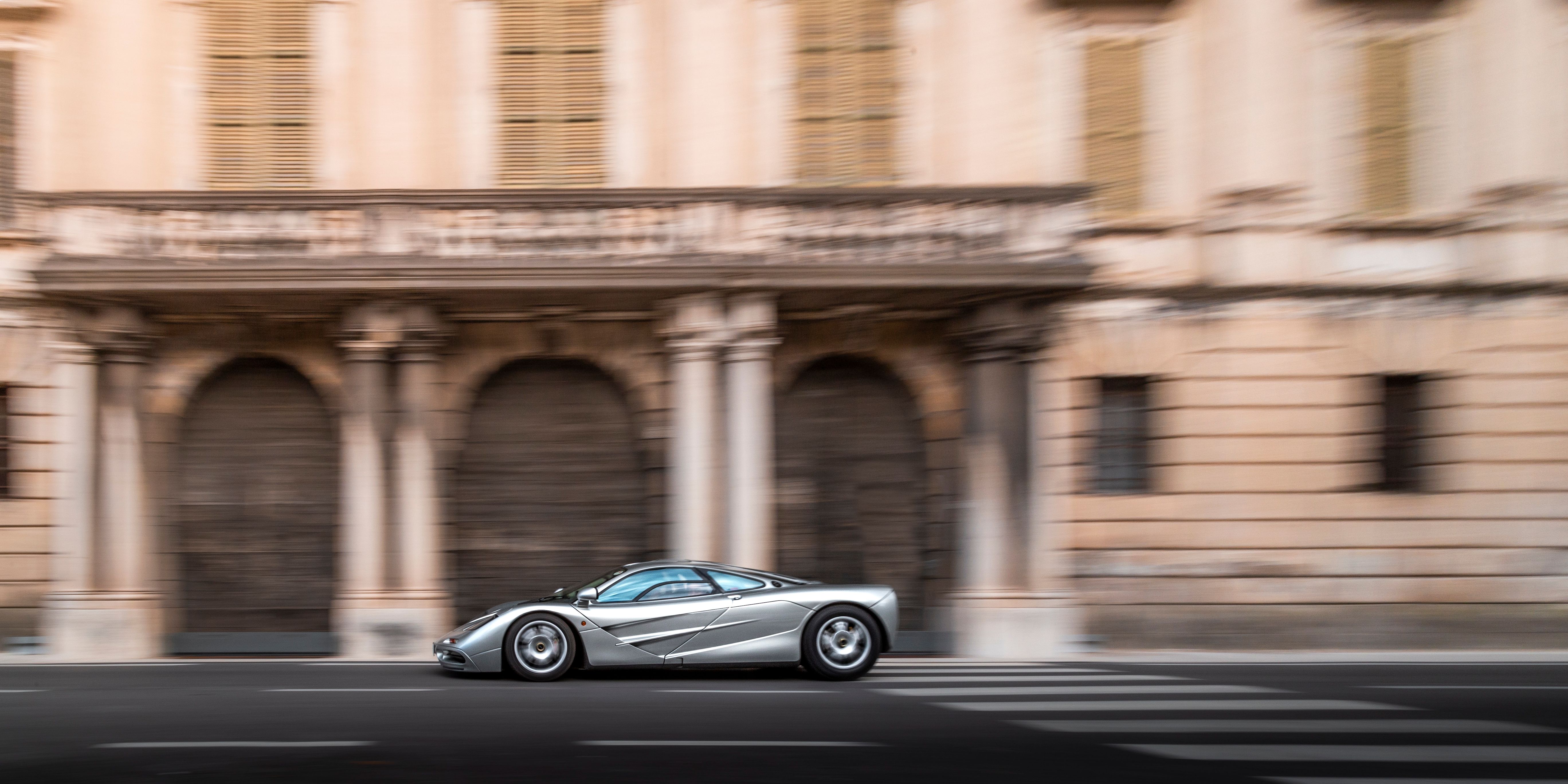
Murray believed anything you put between the tires and the driver's hands and feet takes something away from the experience. So the F1 has no power steering, no brake assist, no traction control, and no semi automatic gearbox. They considered all of it and turned it down.
What Engine Is in the McLaren F1
Murray refused to compromise on the heart of the car. He wanted a naturally aspirated V12, and he set a target nobody had hit in a production car before: 100 horsepower per liter. BMW Motorsport and engine legend Paul Rosche built a custom 6.1 liter V12 just for the F1. It produced around 620 horsepower and 479 lb ft of torque, and pulled cleanly from low in the rev range.
Built From the Inside Out
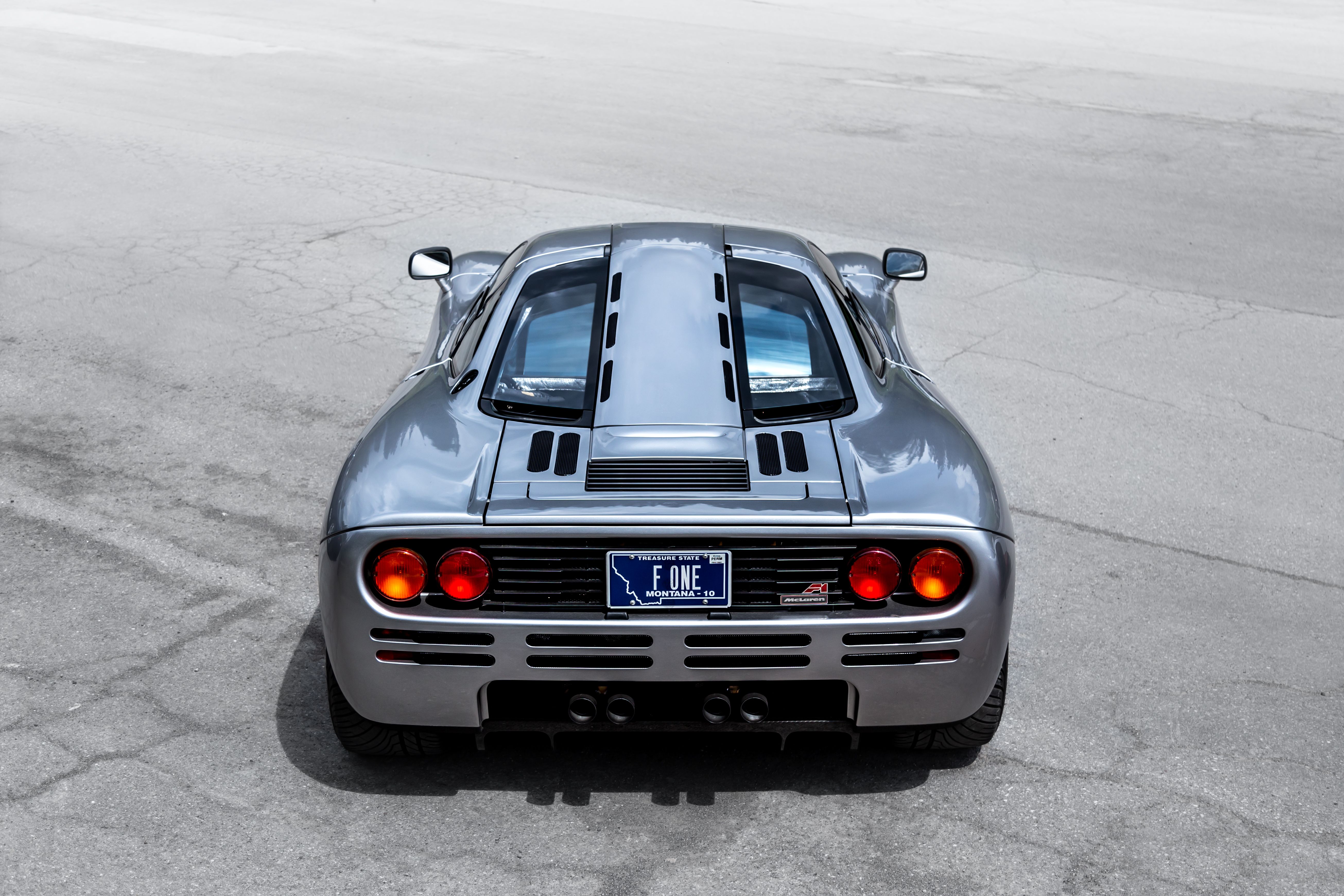
Most cars are designed from the outside in. The F1 was the opposite. The team started with the driver and worked outward, fitting a V12, three seats, air conditioning and luggage space into a package that still came in around a ton. Every material was chosen for a reason. The engine bay runs so hot that they lined it with gold foil, because gold was simply the best material for reflecting that heat.
The McLaren F1 Top Speed Record
On 31 March 1998, test driver Andy Wallace took the F1 to an independently measured 240.1 mph, making it the fastest production car in the world. That record held for about seven years. No naturally aspirated production car has beaten it since.