26/07/2026 in Car Stories
July 26, 2026
The Pagani Huayra Codalunga: Simplicity as the Luxury
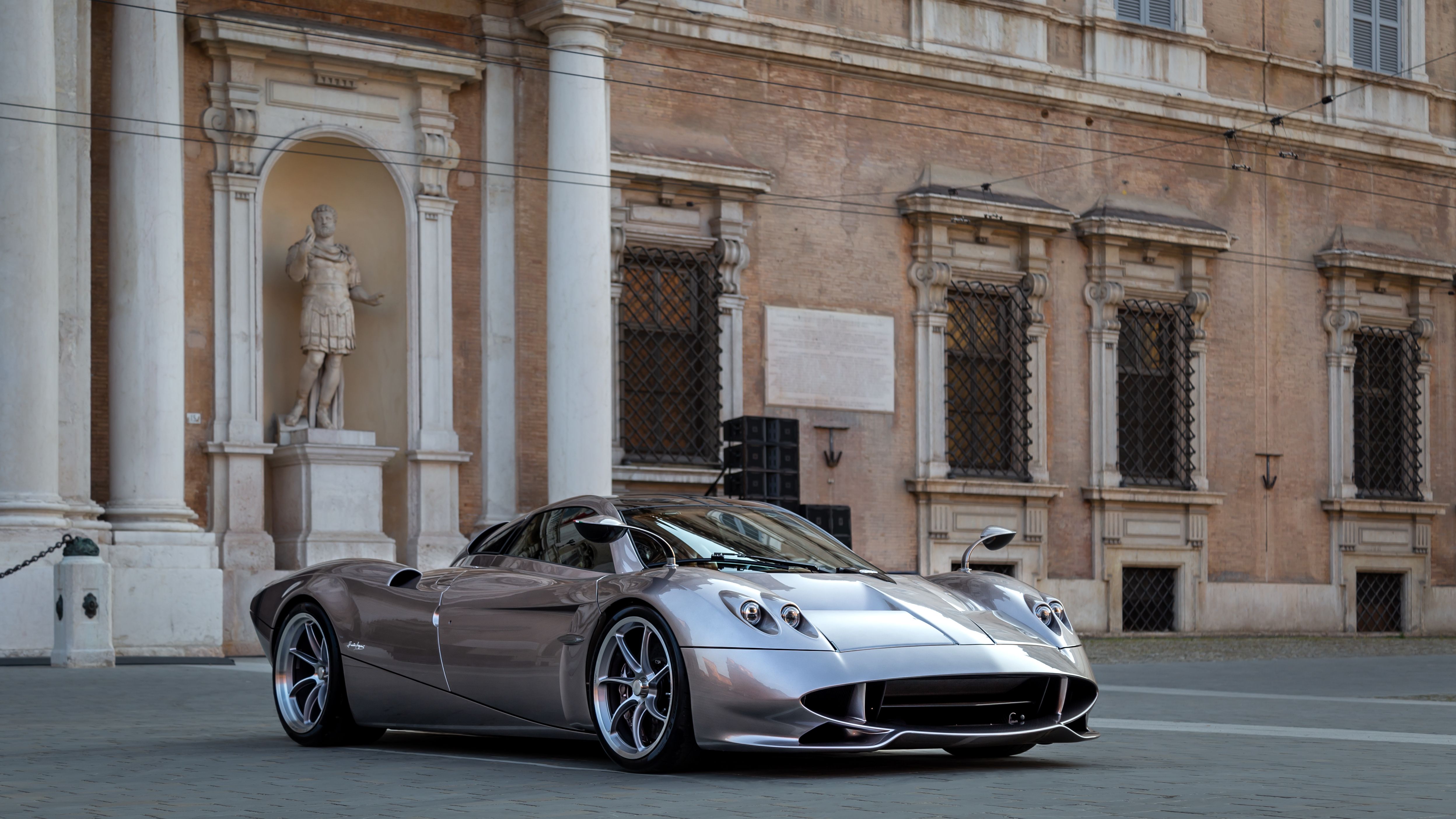
The Pagani Huayra Codalunga is what happens when a client with unlimited means asks for less, not more. It started in 2018 with two customers who wanted a long tail Huayra styled after the endurance racers of the 1960s. Four years later Pagani delivered it. Only five coupes were made, every one sold before the car was shown, each starting around 7 million euros. It is one of the most expensive and most restrained cars the company has ever built.
What Codalunga means
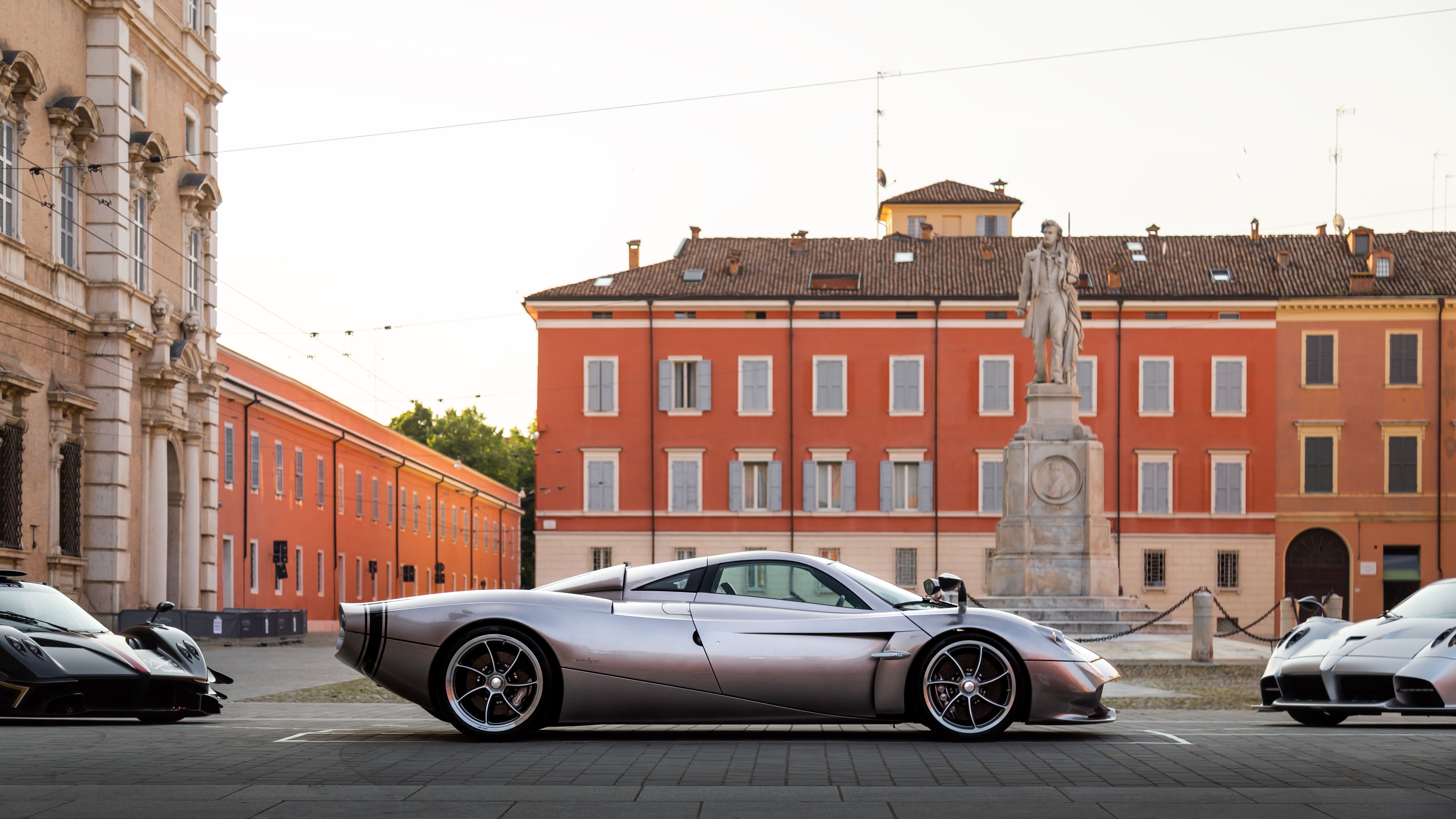
Codalunga is Italian for long tail. The name points straight at the cars that inspired it, the streamlined Le Mans prototypes of the 1960s that stretched their bodywork far past the rear wheels to cut through the air. Horacio Pagani has said his favorite car is the Porsche 917, and you can feel that here. The Codalunga is a modern read on that era, not a copy of it.
The idea: taking away, not adding
Most hypercars fight to add more. More wings, more vents, more carbon on display. The Codalunga went the other way. Pagani describes the whole project as taking away rather than adding, and that is the hard part. It is easy to pile on features. It is much harder to remove them and end up with something that still works and still moves you. The car was built by Pagani Grandi Complicazioni, the small special projects division that handles the company's most personal commissions.
The long tail and the exposed exhaust
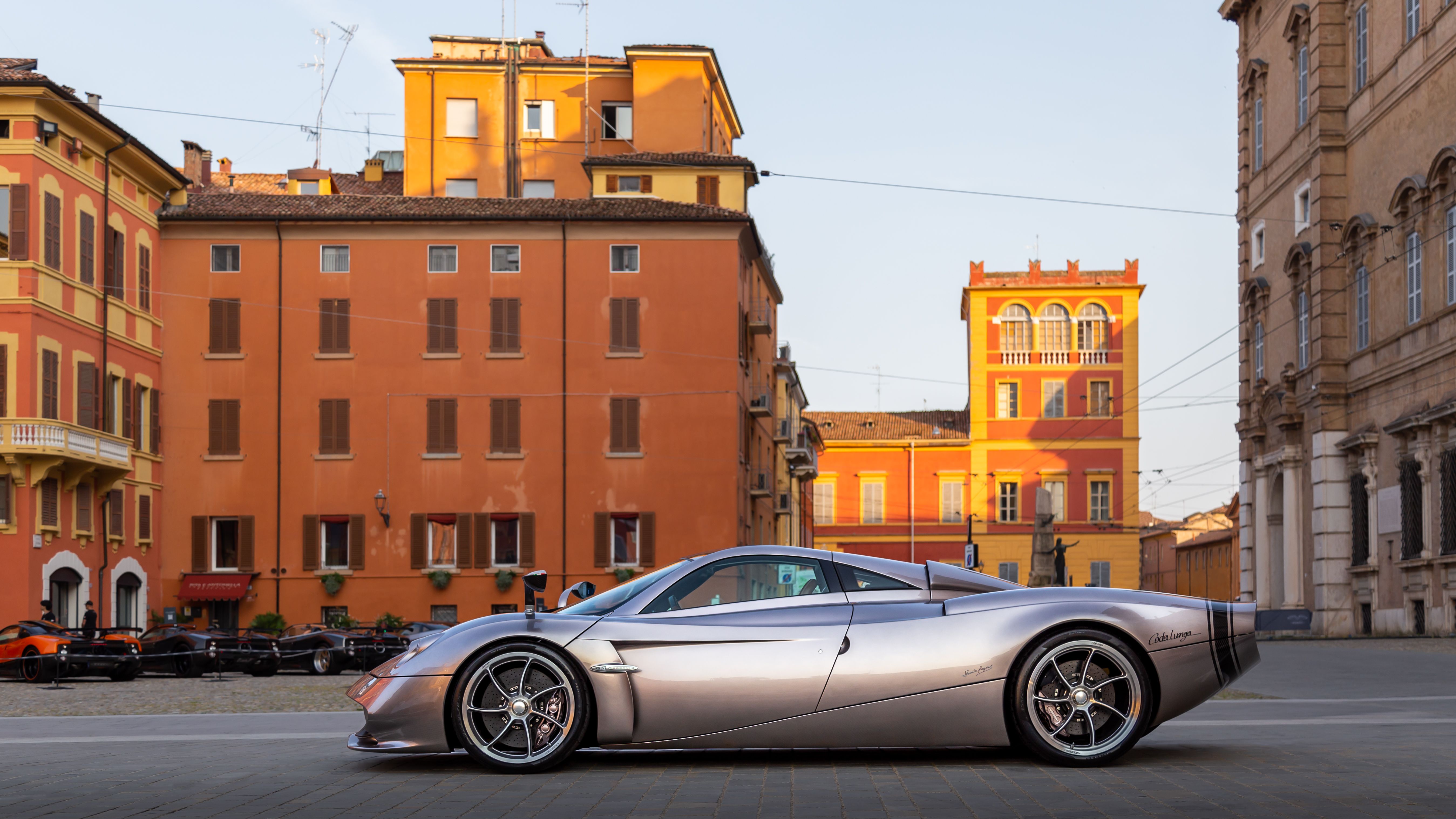
The heart of the design is the rear. The engine cover runs about 360mm longer than a standard Huayra, and it tapers to a soft point before it lifts slightly at the very end. There is no rear grille. That choice lets Pagani leave the exhaust fully exposed, four titanium pipes arranged in a tight square, with the tail lights sitting around them. The whole exhaust system weighs under ten pounds. The result reads as one continuous shape, as if the car was always meant to be this way.
What engine the Huayra Codalunga uses
Under the long tail sits the engine Pagani has used for years, the AMG built twin turbo 6.0 liter V12. In the Codalunga it makes around 829 horsepower and 811 lb ft of torque. Power goes to the rear wheels through a seven speed sequential gearbox from Xtrac. Top speed is quoted at roughly 217 mph. Pagani did not build the Codalunga to chase a lap record. It built it to be driven and admired, which is why so much attention went to weight and sound rather than raw output.
Light, by obsession
The Codalunga has a dry weight of about 1,280 kilograms, which is roughly 70 kilograms less than a standard Huayra. That comes from carbon titanium and carbon triax construction, the exotic composite blends Pagani developed to be strong and light at the same time. Every part is chosen to save weight without looking stripped out, because a Pagani interior still has to feel like a jewel box.
Inside
The cabin is pure Pagani. Hammered and hand stitched leather. Metal parts milled from solid billet, each one finished like a small sculpture. Exposed linkage on the gear lever so you can watch the mechanism work. There is a fabric made specially for the car, embroidered rather than printed, with a circular pattern that echoes the four pipe exhaust. Pagani says each embroidered piece takes around 450,000 stitches.
The Speedster that followed
In 2025 Pagani did with the Codalunga what it always does with a car it loves. It made another version. The Huayra Codalunga Speedster dropped the roof, added a removable hard top with a clear panel, and offered the AMG V12 with either a seven speed automated manual or a true manual. Only ten Speedsters will be built, twice the run of the coupe but still tiny. Both cars are fully road legal around the world.
Why the Huayra Codalunga matters
The Codalunga is proof that restraint can be the most expensive thing a company sells. Anyone can add downforce and horsepower. Very few can remove parts, simplify a shape, and make the result feel more special rather than less. Pagani did that, sold all five before anyone outside the room had seen them, and reminded everyone that its real product is not speed. It is craft.